Certified Athletic Therapists (CAT(C)) are probably best known for their immediate on-field emergency
care of professional and elite athletes. The first to respond when someone gets injured, they are experts at injury assessment and rehabilitation. Athletic Therapists use those same skills to assess and effectively treat and rehabilitate the everyday individual.
They are experts in injury prevention and
rehabilitation of bone, muscle, and joint injuries.
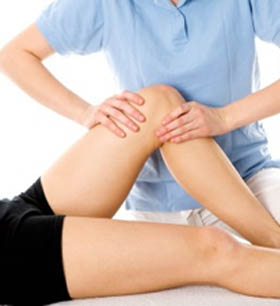
Athletic Therapy uses the Sports Medicine Model of care to treat a wide variety of patients, from kids with concussions to seniors recovering from hip replacement surgery, using various manual therapies, modalities, exercise prescription, bracing, and taping.
Athletic Therapy
Using individualized treatment plans, Athletic Therapists help clients safely return to their normal activities — whether that means competing at a high athletic level or simply walking comfortably to the mailbox and back.
Certified Athletic Therapists receive extensive education and ongoing training to provide the best care possible. In Canada, certification is overseen by the Canadian Athletic Therapists Association (CATA).
To become certified, an Athletic Therapist must:
Complete a CATA-accredited Athletic Therapy program, including both field and clinical placements
Hold a Bachelor’s Degree
Successfully pass the National Certification Examination
Maintain valid First Responder or Basic Life Support Certification
Carry Professional Liability Insurance
Earn 21 Continuing Education Units every three years to stay current with the latest evidence-based practices
Conditions Treated
Athletic Therapy can effectively treat a wide range of injuries and conditions, including:
Sprains and strains of muscles and ligaments
Rotator cuff tears
Tennis and golfer’s elbow
Frozen shoulder
Disc herniation and lower back pain
Shin splints
Fractures and dislocations
Meniscus and ACL tears
Carpal tunnel syndrome and neuropathy
Pre- and post-surgical rehabilitation
Whiplash and motor vehicle accident injuries (MPIC claims)
Workplace injuries and WCB claims
Treatment Techniques
Athletic Therapy combines a variety of evidence-based techniques, which may include:
Modalities: heat, cold, ultrasound, electrotherapy, and taping
Manual Therapy: massage, cupping, myofascial release, joint mobilization, strain-counterstrain, soft tissue release, and RAPID NeuroFascial Reset
Stretching: active, passive, and PNF (proprioceptive neuromuscular facilitation)
Exercise Prescription: customized rehabilitation and strengthening programs
Custom Medical Orthotics: to support alignment, balance, and performance
Athletic Therapists at Henderson Massage & Wellness focus on restoring optimal movement, reducing pain, and empowering clients to stay active and strong.